 Image via Pexels
For many seniors, retirement means more time to spend on activities they enjoy. And starting something new can be fulfilling and energizing for retirees. So read on for a few ideas from the Livingston County Consortium on Aging that will add some spark to your life. Find Community If you’re getting close to or entering retirement, you may find yourself with more free time than you’ve been accustomed to. This can lead to feelings of loneliness, so it’s important to surround yourself with a supportive community such as your church. Being involved in your church can not only provide you with a community of peers, it also gives you the opportunity to share God’s love with the next generation. Start Your Own Business For a growing number of seniors, retiring means starting the business they always wanted to launch but never had enough time or energy to actually do it. Once you’ve developed your business idea, do some market research and figure out who your target clients are. When you have a business plan in place, assess your finances: startup costs can vary widely depending on the type of business you’re trying to start, and you may need funds beyond what you have available in your savings account. Besides looking for investors, Bench notes that you can apply for grants earmarked for small business owners. Take time to write an outstanding grant application to catch the eye of the reviewers. Don’t hesitate to consult a guide on how to start a business to help you with all the legal steps when it’s time to register or incorporate your company. Having professional help on your side could save you a lot of money and headaches in the long run. Discover New Hobbies If you’ve ever wanted to learn to dance, paint, or play a musical instrument, now is the perfect time for you to finally try that new hobby. Many classes are available for seniors, and thanks to the internet, you can even learn from the comfort of your own home. Tutors offer their services online or in person to teach just about anything: a foreign language, writing, graphic design, or even cooking. Having a hobby allows you to escape the tedium of your everyday activities; Mindvalley explains that it increases your personal creativity and can even lead to personal growth as you find a new purpose for your life. Your confidence level also gets a boost as you get better at something. Furthermore, hobbies are a great way to make new friends: by joining clubs and attending group classes and activities, you will meet people who enjoy the same things as you. Plus, a relaxing hobby can help lower your stress and anxiety levels, making you an all-around happier person. If you find that anxiety or depression creeps up on you as you age, you may wonder whether it’s worth finding anti depression meds. For many people, prescription medication can be a boon for alleviating symptoms, though this isn’t for everyone. If you’re interested in finding out more about depression medications, you can book a telehealth appointment to meet with a doctor online who can evaluate your symptoms, and, if necessary, prescribe medication. They will also be able to answer any questions you may have about treatment or potential side effects. And once a medicine has been prescribed, they can send the prescription to your local pharmacy for easy pickup. Stay Healthy As you get older, you should strive to make exercise part of your weekly–if not daily–routine in order to maintain bone strength and health, good balance, and flexibility, but please be sure to check with your physician before starting a new exercise regimen to avoid potential injuries. Research shows that extra pounds can lead to heart disease, diabetes, and a slew of other ailments, and regular exercise will help you maintain a healthy weight. Your diet also plays an important role in keeping your body in shape and energized. Now that you’re retired, you may find yourself spending more time dining out or snacking between meals, which can greatly contribute to weight gain. Eat a variety of fresh, nutritious, healthy foods to ensure your body gets all the nutrients it needs to function properly, and consider “meal-prepping”, or planning your meals in advance, for a more balanced diet throughout the week. Enjoyable activities and a healthy lifestyle will keep seniors going strong as they age. So, explore new hobbies and discover your passion. It’s never too late to get started on a new adventure! The Livingston County Consortium on Aging is an active network of public and private individuals and agencies that provide advocacy, outreach, and resources for local seniors. For more information, please visit our website or contact us today!
0 Comments
 When you are a senior or live with one, safety should always come first. Unfortunately, too many seniors in America suffer accidents in their homes, and most of them happen in the bathroom. So, as a precautionary measure, you can make your bathroom more senior-friendly and avoid unwanted accidents. But where do you start? And what should you change? Don't be concerned. This article discusses the main bathroom renovations needed for a home with elderly residents. You will learn what modifications you need to make to ensure your safety or the safety of your loved ones.
 2. Give the bathroom enough space Besides being able to enter the bathroom, a senior needs to be able to walk and turn around it as needed. As a result, you need to declutter, widen, and use the space efficiently. First, take out all the items that can be harmful, like rugs, glasses, and small objects that may fall off of shelves. Continue with larger pieces such as laundry baskets and even cabinets that can be in the way. You can store all these items in a storage unit until you finish reorganizing the bathroom and find them a new place. Only leave objects that are required and are not dangerous to the elderly. 3. Install non-slip floors Slippery floors are the leading cause of bathroom falls. And if younger adults can have problems maintaining equilibrium in a slippery bath, imagine how it is for a senior. As a direct consequence, after making the bathroom accessible, you must also make it safe. One of the first things you should do is replace the flooring with a non-slippery material. Slip-resistant vinyl is a popular choice. It is less expensive and comes in a variety of designs. Furthermore, it is simple to clean and maintain, and it is softer than tiles in the event of a fall. Rubber is another fantastic material for non-slippery and safe flooring, although it is more expensive. It’s also moisture resistant and can cushion a fall much better than any other material. However, the variations are limited, and as we mentioned, it’s much more expensive than other options. 4. Change the bathtub Another big problem in a bathroom that needs to be used by seniors can be the bathtub. Getting in and out of a conventional bathtub or a raised bathtub might be difficult. Therefore, you can swap the classic bathtub for a walk-in one. There are many different models that you can choose from, and there are professionals that can help you install them. You can also have one custom-made to your specifications. If you want something even safer for the elderly to use, our following suggestion could be even more to your preference. 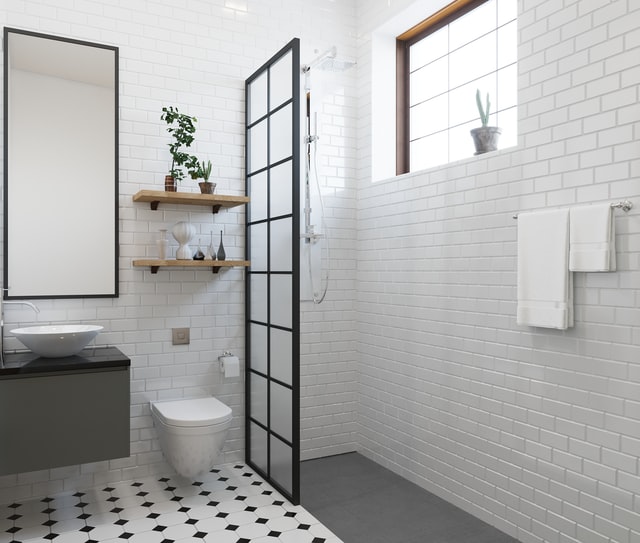 5. Install a walk-in shower If a walk-in bath doesn't seem safe or easy enough to use, you have the option of installing a walk-in shower. Senior walk-in showers are specifically designed for their requirements and allow adjustments. For instance, you can install a shower with a detachable sprayer head that allows sitting while bathing. You can also install a beveled threshold and enable entering the walk-in shower with a walker or wheelchair. In addition, you can have handrails, grab bars, or even a bench. Also, you can have shelves installed in and out of the shower where the seniors can leave the senior-friendly devices that they need or use frequently. 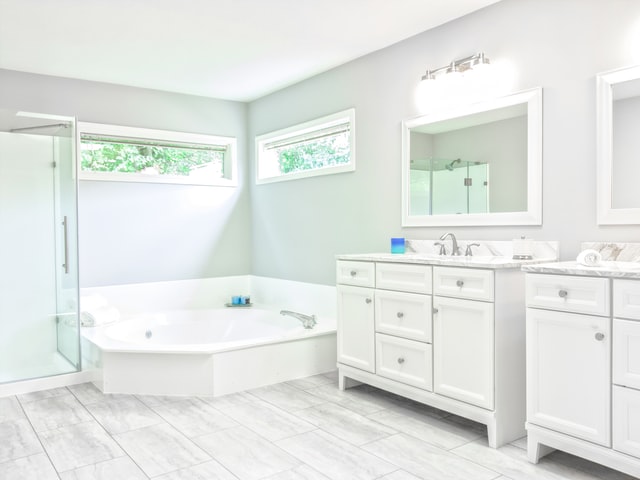 6. Make the bathroom bright enough
Seniors using the bathroom need more light than at their younger age. As a result, overhead lighting is not enough in a restroom. It doesn't cover all the corners and spaces, and it can cast shadows that make it hard to see. Therefore, you should install more light fixtures that can supplement the light in the room. The first locations to provide extra light should be around the mirror, the toilet, and the shower. Furthermore, if there is a window in the bathroom, don't cover it with thick blinds or curtains. Use something light that allows natural light to come in and fill the room.  Image via Unsplash
Caring full-time for another person is challenging. Over 21% of Americans are providing unpaid care for family members, friends, or neighbors. These extra daily tasks come with more hurdles when you're a caregiver for someone with an illness or disability. To stay on top, you need to take care of yourself to stay healthy and keep stress at safe levels. If you need help getting started, The Livingston County Consortium on Aging presents some helpful tips below. Stay Active Fitness is more than just burning calories. Exercise can boost your mood and ease anxiety and depression by releasing endorphins, and it can help you sleep better at night. If you can't get out of the house to work out, find ways to move around at home, such as housecleaning, washing the car, or doing other household chores. Alternatively, try a free exercise app or watch YouTube videos to find new fitness routines you enjoy. Find Ways to Expand Your Skills Challenging yourself with learning new things is a great way to care for yourself. The internet is a great resource for learning and attending school online is one of the best ways to learn. You find a number of degrees available including graduate degrees such as an MBA. Spend Time With Friends and Family Socializing with friends can help keep you connected to the world outside your home, reduce stress and depression, and encourage positive feelings. Being around friends can provide a temporary distraction from your role as a caregiver, which is especially important during difficult times. Find a Hobby for You And Your Loved OneCaregiving is a lot of work, but you can also enjoy the time spent with your loved one. If you're both physically able, find activities you can do together. It's a great way to spend time with each other, improve your memory and cognition, and even reduce the risk of depression from being a caregiver. Pamper Yourself It's easy to neglect personal care when you're a caregiver, but it's important to take time for yourself, even if that means doing something simple, such as taking a hot shower or enjoying a cup of coffee in the morning. Caregiver burnout is real, and the best defense against it is to take time for yourself. Pampering can also help lower stress by reminding you that you deserve some time alone to replenish and relax. Stay Healthy Don't slack on your health care appointments. If you wait until you're sick before seeing a doctor, it may take longer to recover. Preventive care visits can catch problems when they're easier to treat. Don't Skip Dental Care It's easy to forget about your teeth and gums when you're busy caring for someone else. Dentists recommend brushing and flossing twice a day and seeing your dentist every six months for professional cleanings. Also, to prevent further tooth decay, don't delay tooth filling repairs. Hire a Lawn Service You're a caregiver, but you don't have to do everything yourself. Look for companies that can take some responsibilities off of your plate. Hiring a lawn service that can handle fertilization and other tasks to keep your home looking nice gives you a little extra time to yourself and takes one responsibility off your list. Reduce Stress and Stay Healthy It's easy for caregivers to lose track of themselves while juggling their own lives, work, and caregiving responsibilities. Take time to care for yourself to prevent getting rundown. This article is brought to you by The Livingston County Consortium on Aging, a 501(c)3 non-profit collaborative group representing public agencies, private businesses and individuals interested in addressing the needs of the county’s aging citizens. Membership is open to any interested parties, with a common goal of supporting our mission. Outreach efforts include sponsoring two annual events and the awarding of grants to area nonprofits addressing identified needs for area seniors. For more information, please visit our website or contact us today!  Photo via Pexels
Loneliness is one of the fastest-growing problems of our time, especially in older adults. Your house was probably once a lively place, with children running around and people coming and going. However, everybody has grown up, moved away, and has their own lives. Unfortunately, this loneliness raises the risk of health issues such as dementia and heart disease, depression, and anxiety. On the contrary, social interaction is like a magic pill for preventing depression and dementia. Therefore, we decided to dedicate this article to how older adults can overcome loneliness. We know it seems impossible, but there are a few tricks you can try and improve the quality of your life. So, let's see what they are! Find a hobby It's 2022, and opportunities for activities are endless. From painting, crocheting, and scrapbooking to fly fishing, sculpting, learning a language, and joining a book club! The sky's your limit here. With so many alternatives, you're bound to discover something that piques your curiosity. Not only will you be exercising your brain by learning and practicing an activity, but you will also be able to interact with people who share your passion. Fortunately, face-to-face activities and interactions are back on the table, so you'll be able to enjoy all this in person! Therefore, if you wonder how older adults can overcome loneliness, finding a new hobby is one of the top answers. So, what is one thing you always wanted to do but never got to do? Now's the perfect time to try it. Get a pet Having a pet can be therapeutic in more ways than one. Bonding with an animal causes a chemical chain reaction in the brain that reduces the fight-or-flight hormone cortisol levels while raising the production of the feel-good hormone serotonin. As a result, pulse rate, blood pressure, and stress levels instantly decrease. Long-term relationships between pets and humans can reduce cholesterol and battle depression. In addition, it may even help protect against heart disease and stroke. Therefore, having a furry friend in your home can help you fight loneliness. Even if your pet cannot talk, they can make you happy in other ways. And just you talking to them about your day will help you feel less lonely. Just make sure you adopt a pet that suits your lifestyle, mobility, and energy. For example, if you want a dog but can't be very active, adopt one that doesn't need to be outside as much. Move to a senior living community Socialization improves health and well-being in senior living communities. It's more difficult to be lonely when neighbors, friends, and caregivers surround you. This is the case whether you live in a senior living facility or a neighborhood with a large population of older adults. During the height of the coronavirus epidemic, numerous senior living homes were obliged to curtail activities to keep older persons safe. Now that the pandemic is practically over, most communities are establishing a "new normal" that includes a great deal of social engagement. In fact, most independent and assisted living complexes are reintroducing amenities such as fine dining, weekly happy hours, and various types of social gatherings. To overcome loneliness in older adults, numerous communities provide transportation to nearby malls and theaters. Furthermore, outdoor activities such as gardening and tai chi are extremely popular. Oh, and don't forget monthly and yearly residential events organized within these communities! Therefore, moving to this type of community can be highly beneficial. This is precisely how older adults can overcome loneliness. Fortunately, Michigan is full of places like this. So, if you decide to make this step, contact someone who can assist you find help with ease. There are many long-distance moving companies in Michigan, so make sure you find the one that will do everything to make your relocation as trouble-free as possible! Stay in touch with your family While all this new technology can be scary for older adults, it's also of utmost importance for staying in touch with your loved ones. In fact, many older adults already use FaceTime or voice-activated gadgets like Alexa to connect with their friends and family. And why not when this is a legit way to stay in touch with people you don't see every day but want to have any interaction with them?! Cell phones for talking with friends, tablets for video-chatting with grandkids, and virtual home assistants may help older adults interact, connect, and fight loneliness. And the best thing? Everything's a click away from you! No matter who you want to call, text, or video chat with, all you have to do is click on the app you wish to use and let the magic happen. Of course, nothing beats face-to-face interaction, but this is a great way to interact with your loved ones daily, especially if they live far away. Besides social media, many online community services are made to help older adults. For example, Virtual Senior Center and 65+ chat rooms may be fantastic sites for seniors to meet new friends, vent about their problems, and learn to use new technologies without leaving their homes. The Internet is a magical place; you'll find everything you need if you dig a little deeper. So, do it! Don't be afraid to use it. Volunteer in your community Last but not least - volunteering. Volunteering is an excellent opportunity to keep your mind occupied while meeting new people and helping others. Fortunately, volunteering opportunities are practically endless, from teaching youngsters to read and communal gardening to working as a docent at local art museums. These are all fun possibilities for older adults who are still mobile. In addition, many local service and charity organizations also provide options for seniors. So, don't hesitate to contact them and ask what positions are available. Helping others is a terrific opportunity to give back to the community while also reminding yourself that you have a lot to contribute even later in life. Conclusion Yes, loneliness is a nasty problem that affects your physical, emotional, and mental well-being. So, the question is how older adults can overcome loneliness. While it may seem like there is no way out of this situation and overall feeling, you can see that there are many ways you can connect, interact, and engage. If there is one key takeaway from this article, it's that social interaction is the medicine for loneliness. Therefore, try and socialize as much as you can. Move to a suitable community, adopt a pet, stay in touch via technology, volunteer, etc. Do whatever makes you happy, and keep yourself busy and surrounded by your loved ones.  Image via Pixabay
Pet ownership can benefit individuals of nearly every age, and there’s usually no need to leave a pet behind when you move — whether that's to a retirement home or assisted living community. If you are considering looking for a pet-friendly assisted living community, The Livingston County Consortium on Aging shares the following tips to find the right facility and learn how to best care for your animal companion in a new setting. How to Find a Pet-Friendly Community Not all assisted living communities are open to the idea of you sharing your quarters with your dog or cat, and they will almost certainly veto an exotic pet like a snake, wolf or pig. If you are moving to a community in which a high number of residents have severe health problems, they may not be as keen on you bringing an animal into the mix. You may have to call around and research online for a pet-friendly community that is able to provide services for pets you may need. Also, look for features that make caring for a pet easier, such as a small yard area or paved dog walking areas. How to Care for a Pet in Assisted Living Small dogs and cats are happy to live in assisted living rooms or apartments, but large dogs may not be as thrilled if they are used to a large house with an expansive yard. Consider these factors when choosing whether to bring your pet with you. If you have a dog, for example, it will need to be taken outside multiple times a day for a walk. A cat, on the other hand, will need a litter box, which you may not want to contend with if you are moving into a smaller space. When preparing to bring your pet, make sure you have all the necessary gear to properly take care of them on your own. This includes their bed, food and water dishes, leashes, crates and items to bring extra comfort depending on age or weather. For example, a heating pad may be ideal for an older dog during the winter, while a cooling pad is ideal for a fluffy pup in the heat of summer. How to Prepare Financially for Moving to Assisted Living Paying for an assisted living space while caring for a pet can be challenging. Before selling your home, you may have to spend money to make the house easier to sell. This can take a large chunk out of your finances, but you will likely see a higher return in the long run if these updates increase the home's value. This, in turn, can help you pay for assisted living. Finally, you'll need to factor in other related costs like moving and pet day or overnight care. If you plan to hire movers, research local moving companies and ask around for quotes. Make sure you settle on a moving company that has a good reputation, so that you're spending your money wisely. If you are attached to your small pet, as most animal lovers are, there is no need to consider rehoming your pet or asking a relative to care for it when you transition to assisted living. Because there are several emotional and physical health benefits to keeping your pet by your side, try to make every effort to do so unless you are unable to care for the animal. Livingston County Consortium on Aging is an active network of public and private agencies and individuals committed to networking, advocacy and direct outreach activities. Reach out to us today! LCCOA48843@gmail.com 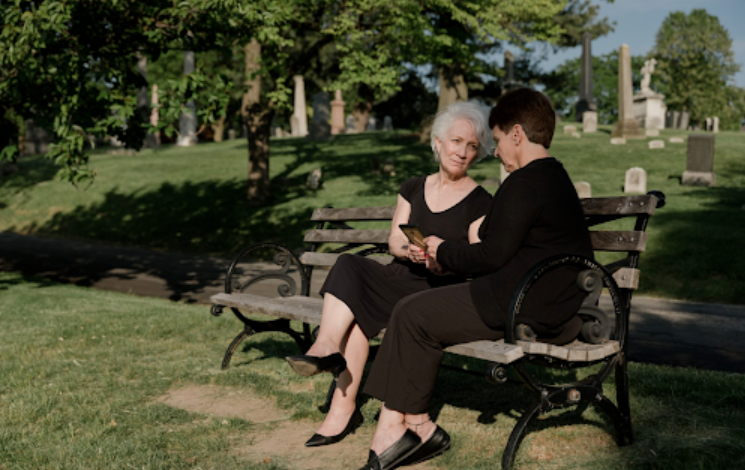 Thoughtful Suggestions for Sharing News of a Bereavement
When a loved one passes away, the close relatives of the deceased are faced with the difficult task of informing others and dealing with the deceased's affairs. Finding fitting tributes and memorials for each aspect of a person's life is often a challenge, but it's something that can help with the grieving process too. The Livingston County Consortium on Aging weighs in. Sharing News of Bereavement With Family Members The first task should be to tell the closest family members and friends so that they have time to process the news. Close relatives should be at the top of the list of people to tell about the death, notes Bereavement Advice Centre. Calling each person individually or delivering the news face to face is a good idea if you feel able to do so. Consider asking some of those relatives to take on some of the burden of spreading the word. Arrange a small wake or get-together where you can celebrate the person's life with those who meant the most to them and who likely mean a lot to you. Memorializing Social Media Accounts Many people have large groups of social media friends, and this is one area where modern etiquette can be confusing. Consider sharing the news of your loved one's death with a few of their closest, most trusted friends so they can pass the news on to the wider friend groups. Then memorialize their Facebook account and social media accounts so those who weren't as close are made aware of what has happened. It can sometimes be hard for friends to know what to do when they hear of a person's death. Sharing funeral wishes, suggestions for charitable donations, and information about funeral arrangements as part of a memorial post may help. Informing Colleagues of the Person's Passing When a working-age person dies, it's important to inform their employer so that their manager can tell their colleagues about the death. This is a sensitive issue and one that should be handled carefully. If the deceased worked for a small business and you know their colleagues well, you may wish to deliver the news in person, but for bigger companies, it's worth letting the manager inform people and offer support to those who are grieving. A person's colleagues can often be their friends and old classmates. One way to reach out and communicate what’s transpired, as well as funeral and viewing information, is searching online for the graduating class of the deceased. It’s a good idea to try to identify the class officers, who are usually in contact with others, and who are charged with getting the word out. Consider the Practical Issues Sharing the sad news of a person's passing is just one of the issues people have to deal with when they're faced with bereavement. There are financial and legal issues to deal with as well. As Vera Gibbins blogs on MassMutual, probate can be a complex and involved affair. If you find yourself having to sell the deceased's home, consider working with a real estate agent who understands the technicalities of probate sales and how they affect both buyers and sellers. Having the right experts on your side can make life much easier. Celebrate Your Loved One's Life With Memorials Dealing with the passing of a loved one isn't easy. Take the time to celebrate their life in as many ways as possible. Talk to friends and family, memorialize their accounts, and make sure colleagues and others who were in their life are informed sensitively. Ask for help with practical and financial issues so you aren't overwhelmed, and take the time to grieve for yourself as well. Image via Pexels  Image by Pixabay
Today's seniors are taking the world by storm, proving that age is no barrier to living a fulfilling, productive life. So why not give the older person on your gift list something that matches their mentally and physically active lifestyle? Here are six gift ideas to inspire you from The Livingston County Consortium on Aging. Drawing Sets The ability to draw is a gateway skill for other types of artistic expression, such as painting. So, giving a senior a basic drawing kit is a great way to help them embark on their creative career. A good kit will have pencils of varying thickness to enable the user to draw all types of lines, an artgum eraser for clearing away stray marks, and a tablet filled with quality drawing paper. Other helpful items include a straightedge, a sharpener, and a manual that offers basic instructions. You may also want to give your recipient a set of video-based drawing lessons. Ukulele The guitar is the instrument of choice for many people just learning to play music. However, the humble ukulele has its charms as well. The learning curve for achieving competency is much shorter than for a guitar. A ukulele is smaller and lighter than a conventional guitar and has a rich, melodic sound in the hands of a skilled practitioner. Quality ukuleles are very affordable and easy to find, both online and in most music shops. A Return to School Retirement allows seniors to pursue new goals such as going back to school. Not only could they start a second career, but they can gain insight into subjects they’ve always wanted to learn about. This holiday season, support your senior loved one as they pursue their dreams by helping them pay for schooling. Online degrees are affordable, allow students to gain critical skills, and offer flexibility. Walking Shoes Walking is foundational to healthful exercise of all types. Walking builds muscles, strengthens the heart and lungs, and promotes a sense of well-being. Walkers enjoy fresh air and sunshine while meeting other health-oriented people. The one essential item for a walking workout is a good pair of shoes, according to writers for Prevention. You can either purchase a pair for your recipient or enable them to buy their own with a gift card from a sporting goods retailer. Quality walking shoes are lightweight, durable, and supportive, yet comfortable. When buying shoes, we recommend sticking with established brands rather than relying on no-name items from discount outlets. Footwear is one of those product categories in which trying to save a few dollars is, more often than not, counterproductive. Spend a little more and get good shoes for your giftee instead. Remember that older adults may have bunions or other issues that require special considerations. Wood Carving Kits Woodworking and furniture building are great hobbies that can turn into viable sources for a second income. But they require a significant monetary investment and, for many projects, a steep learning curve. Woodcarving is an approachable, affordable alternative that enables the practitioner to make beautiful items they will treasure forever. It's forgiving to those with minor hand tremors and provides a soothing, meditative effect for the carver. As with shoes, choosing a quality kit for your recipient is vital, even if this means you must forgo buying one of the more advanced sets. A handful of high-grade tools is much better than a drawerful of so-so blades. Plastic Modeling Assembling plastic models is one of those time-honored hobbies that never goes out of style. Modelers enjoy added dexterity, focus, and personal satisfaction as a result of their pastime. Autos are the most common kits on the market, but you'll also find models of military hardware, spacecraft, and even characters from popular films and TV shows. Besides the kit itself, your recipient will need paint, glue, and a set of hobby knives for removing small parts. Kits range in difficulty from easy to advanced. Planning for the future is always better than trying to relive the past. Modern seniors are taking this advice to heart by embarking on all types of personal enrichment adventures. Giving the older person in your life one of the gifts mentioned in this post will help them to embrace what's yet to come with excitement and anticipation, paving the way for a great 2022.  Image via Pexels
There is a common misconception that technology, networking, and older adults don’t mix. There’s only one problem with that notion: It isn’t true! No matter your age, you can become the most effective networker in your area if you want to. All it takes is a commitment to put yourself out there and enact a few simple strategies. Whether you’re hoping to start a business, launch a nonprofit, or volunteer for meaningful causes, networking is essential to your mission. And Livingston County Consortium on Aging has given you a few practical tips to get you started! Understand the Importance Whatever type of organization you are trying to put together or service you are trying to provide in your community, you need people and groups around you for support. Networking presents opportunities for meeting your next business partner, client, mentor, and other individuals who can walk with you through the ups and downs of leadership. When you meet challenges down the road, you can lean on your network to help you through. Plus, it’s fun to meet new people who share similar passions! Start Online Perhaps the best place to start networking these days is online. There are many social media platforms designed to help professionals and community members build the network they need. Create a LinkedIn profile that is optimized to connect you with the individuals and groups who could prove most helpful to you. Rather than simply filling out your profile with all the information you can think of, be thoughtful and make your profile stand out. And take the same approach to platforms like Facebook and Instagram. Along with engaging on social networks, constantly look for virtual events (e.g., workshops, conferences, seminars, etc.) related to your industry or service of interest, and attend as many as you can. Such events are an excellent way to meet like-minded professionals and community members, not to mention learn about your trade. If you’re starting a business, your network will prove invaluable when it comes to finding workers to help you build and grow your company. That said, if you have trouble connecting with specific types of professionals through your network, you can turn to online job boards. These sites allow you to compare the rates, experience, and reviews of candidates so that you can choose the best professionals for your virtual assistance, web design, and content writing services. Get Involved in the Community If your hope is to volunteer at local organizations, now is the best time to start. But even if volunteering isn’t your ultimate goal, it’s a great way to meet new people and make meaningful connections while serving your community. Look for local charities and nonprofits that share your values, and commit to serving at least once a week. Be Genuine As you begin to meet more people, don’t be afraid to make personal connections. Whether we are interacting with individuals or companies, we all desire authenticity. Being real doesn’t mean that you aren’t professional. Just be your wonderful self when networking, and you will make lasting impressions! Stay Connected Finally, you must maintain the relationships you build. Use all the tools at your disposal to stay connected to professionals and other individuals. Utilize video chat and phone calls to interact with others, and stay on the lookout for opportunities to arrange meetings and get-togethers—whether in-person or virtual. You can be a successful networker in your golden years as long as you employ the right strategies. Remember to take advantage of online networking platforms, start serving in the community, and be authentic in your interactions. And of course, work hard to maintain the professional relationships you are building! Would you like to read more helpful content or learn about the work our organization does for aging adults in the community? Visit livingstoncoa.org today! Home is where families make memories, but people with dementia might see it differently. For them, it might be the place where their world changes and their memories begin to fade. As a caregiver for an Alzheimer’s patient, you can make the difference and make this journey as comfortable and pleasant as possible.
As of 2020, Alzheimer’s disease affects about 5.8 million Americans who are 65 years old and older. It can be your grandparent, your cousin, your sibling, or even your parent who faces the diagnosis. Eventually, those with Alzheimer’s require round-the-clock care, and for many families, that means taking the loved one into their own home. Homes are not often designed to meet the needs of people over 65. Research published in American Family Physician reports that the benefits of modifying and adapting a home for a person with dementia is that it promotes independence and prevents accidents. People suffering from Alzheimer’s are more comfortable at home or in a familiar setting. If you are taking care of a loved one with Alzheimer’s, a few pre-planning tips from Livingston County Consortium on Aging can go a long way. Safety In addition to progressing memory loss, Alzheimer’s patients begin suffering from limited mobility, a loss of motor function and balance. The National Institute of Aging provides a general safety checklist that takes this into consideration. Follow these few tips: Bathrooms:
Kitchen:
Around the House:
Comfort There are a few alterations people can do to help their loved one feel at home and ease anxiety or depression. According to the Huffington Post, implementing some design elements in consideration of common Alzheimer’s symptoms can provide familiarity and security. These modifications include:
While there is no cure for Alzheimer’s disease, caretakers can take comfort in knowing that by providing these few accommodations their family member experiences far less frustration and confusion. Understanding Alzheimer’s can help you adjust and modify your home as the disease progresses. The important thing is to use pre-emptive measures to prevent unnecessary accidents and injury as well as improving quality of life. Photo Credit: Pexels Livingston County Consortium on Aging provides for collaboration, advocacy and communication between agencies and persons concerned with the provision of services to all aging adults. Reach out to us today! LCCOA48843@gmail.com Image via Pexels
As a senior, you’ve probably bought or sold a house or two in your life, and you’ve certainly lived in a few. The business of “flipping” houses — that is, buying and renovating properties to resell at a profit —is now more lucrative than ever, according to a recent report. If you’re considering a post-retirement foray into the house flipping business, you should know that it’s not always as easy and profitable as it looks on television. While success is far from guaranteed, it is possible to make real profits through reselling homes. Keeping these three tips in mind will help you achieve house-flipping success. This is an example of the insightful senior-focused content you can find on The Livingston County Consortium on Aging blog. 1. Find the Right Property Choosing the right property to flip is key to realizing a return on your efforts. In selecting a house to flip, always consider both the house itself and the neighborhood in which it’s located: Both can have a significant effect on your potential profits. Spend some time researching any potential neighborhood where you might want to invest. Traditional housing market metrics, such as days on market and average sale prices, are important but don’t forget about other statistics, such as crime rates or owner-occupancy figures. Housing prices will likely be lowest in distressed neighborhoods, but selling the home post-renovation will be easier in more high-demand areas. For any house you’re considering, never pay a purchase price that’s higher than 70% of your estimated post-renovation resale price. The final sale price needs to substantially exceed the total of all of your costs, including
2. Finance Expenses Correctly Being a senior often means that you have a bit of an advantage when it comes to financing your house-flipping venture. You’ve likely accrued some savings, home equity, or both over your lifetime. These assets can make it easier for you to qualify for financing options, or may even enable you to self-finance much of your first flip. That said, use extreme caution when tapping your own funds. Never jeopardize your home or your entire life savings on a risky resell. To safeguard yourself and your property, it’s usually best to form a business identity through which to handle your house-flipping finances. A limited liability corporation offers tax benefits and reduced paperwork along with asset protection. Forming an LLC is usually a simple process, depending on your state’s requirements. So how to start an LLC in Michigan? You can save time and avoid pricey legal fees by using an online business formation service. 3. Fulfill Your Obligations One of the top mistakes people make when flipping houses is trying to handle everything themselves. By enlisting a talented team, you greatly improve your odds of success. You’ll likely need to recruit, at a minimum:
For employees, it’s best to set up a regular pay rate and schedule. Good payroll software can help automate this process. For independent contractors, aim to pay them in draws as the work is completed. Never wait until the end of the project to fulfill your obligations. Flipping houses can be a fun and rewarding way for seniors to earn extra income. Keeping these tips in mind will help you maximize your profits. Want to learn more? Read this article too! |